
Blog
Retatrutide Wholesale Uk
May
Peptides and Metabolic Regulation
Peptides are short chains of amino acids that can act as signaling molecules, hormones, or receptor modulators. In the domain of metabolic health, several peptide classes (like GLP-1 analogues, GIP agonists, etc.) have gained attention for their capacity to regulate appetite, insulin sensitivity, energy expenditure, and fat storage.

Traditional therapies such as GLP-1 receptor agonists (e.g. semaglutide, liraglutide) target a single hormonal axis—boosting satiety, moderating gastric emptying, and improving insulin signaling. The more recent strategies involve multi-agonist peptides that act on multiple hormone receptors simultaneously, aiming to amplify metabolic effects beyond what a single pathway can achieve.
What is Retatrutide?
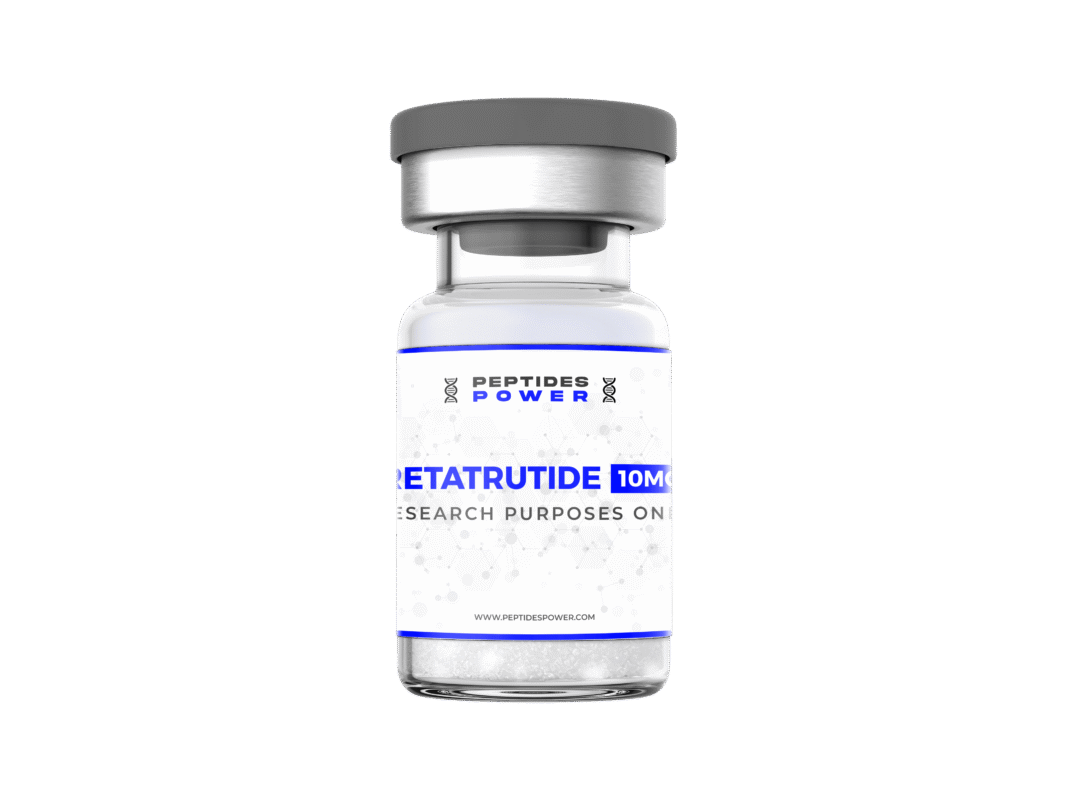
Retatrutide (also known as LY-3437943) is a triple agonist peptide designed to engage three key receptor classes:
- GLP-1 receptor agonism
- GIP (glucose-dependent insulinotropic polypeptide) receptor agonism
- Glucagon receptor agonism
Because retatrutide stimulates all three pathways, it is sometimes called a “triple G” molecule.
Mechanistically, retatrutide may reduce appetite (via GLP-1 and GIP), enhance insulin responsiveness, and boost energy expenditure (through glucagon receptor stimulation).
In early phase trials, retatrutide demonstrated significant weight loss. In one 48-week study, participants on high doses lost an average of more than 24 % of baseline body weight.
However, that level of efficacy comes with trade-offs: side effects, physiological constraints, and regulatory uncertainty. Some trial participants experienced nausea, gastrointestinal discomfort, and other adverse events typical of potent peptide therapies.
It is crucial to emphasize: retatrutide is not yet approved for general clinical use. It remains in clinical trials under regulatory scrutiny.
